The Art of the Creative Sabbath: Designing Ritual Time That Actually Restores You
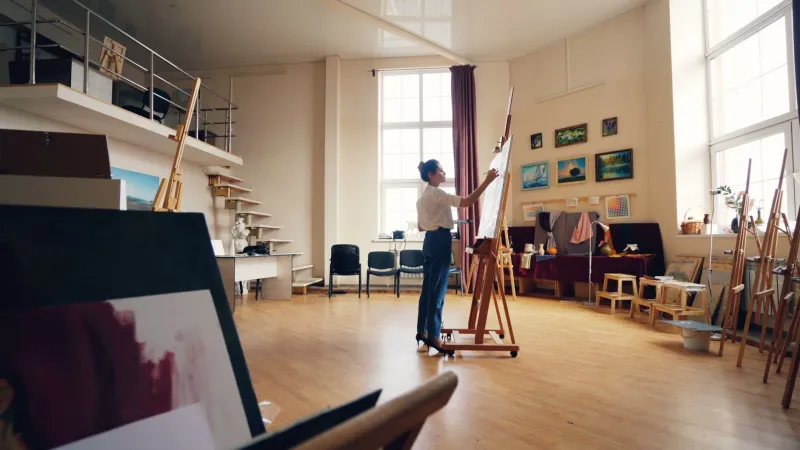
Most creative people share a particular flavor of exhaustion. It's not just physical tiredness — it's the specific drain of showing up to your canvas, your notebook, your instrument, or your studio practice with nothing left in the tank. You carved out the time. You sat down. And then you just... stared.
The problem usually isn't discipline. It's fragmentation. We've been conditioned to treat creativity as something that happens in the margins — the forty-five minutes before the kids wake up, the lunch break squeezed between meetings, the Sunday afternoon that somehow always fills up with errands. We treat creative work like a leak to plug rather than a river to tend.
A different approach is gaining real traction among artists, yogis, and holistic practitioners across the country: the creative sabbath. Not a vacation, not a productivity hack — a deliberately structured block of time, designed to honor both output and presence, work and rest, making and moving.
What Is a Creative Sabbath, Exactly?
The concept borrows loosely from the religious tradition of the sabbath — a designated period of rest and renewal — but strips away the doctrine and replaces it with intention. A creative sabbath is a recurring block of time (anywhere from a few hours to a full day) set aside specifically for the integration of creative practice, movement, and mindfulness.
The key word here is integration. This isn't about doing yoga and then doing art as two separate items on a to-do list. It's about letting those practices inform and deepen each other — moving your body to loosen your thinking, meditating to clear the noise, then making something from that clearer, more spacious place.
"When I started treating my Sundays as a creative sabbath, the work I made was completely different," says fiber artist and meditation teacher Rae Owens, based in Portland, Oregon. "I wasn't forcing anything. I'd start with a long walk, then sit for twenty minutes of breath work, and by the time I got to the studio, I felt like I'd already done something real. The art came from a completely different part of me."
The Architecture of an Intentional Practice Block
There's no single right way to design a creative sabbath, but there are a few structural principles that seem to make a consistent difference across practitioners.
Open with the body. Before you pick up a brush or open a document, give your nervous system a chance to transition. This might look like yoga, a slow run, a stretching session, or even thirty minutes of free dance in your living room. Movement isn't just warm-up — it's a genuine reset that shifts you from reactive mode to receptive mode.
Create a threshold ritual. Rituals signal to the brain that something different is happening. Lighting a candle, brewing a specific tea, putting on a particular piece of music — these small acts function as psychological doorways. You're not just changing what you're doing; you're changing the frame around it.
Protect the time from the outside world. This one is non-negotiable. Notifications off. Social media closed. The world will still be there in three hours. The creative sabbath only works if you actually show up for it fully — and that means not having one eye on your email while you paint.
Build in stillness. Schedule rest as deliberately as you schedule the creative work itself. A ten to twenty-minute meditation or simply lying quietly in the middle of your practice block isn't wasted time — it's the composting that makes the next hour more fertile.
Close with reflection. Even five minutes of journaling at the end of your session helps integrate the experience and builds continuity across weeks. What emerged? What surprised you? What do you want to carry forward?
Frequency and Format: Finding What Fits Your Life
For some people, a weekly creative sabbath is the rhythm that works — a Sunday morning practice that becomes as non-negotiable as church once was. For others, the schedule demands something more flexible: a monthly half-day, or a quarterly full-day retreat that functions almost like a personal artist's residency.
Photographer and yoga instructor Marcus Webb, based in Chicago, runs what he calls "monthly reset days" — twelve-hour blocks he takes every four weeks, solo, at a rented cabin outside the city. "I do yoga in the morning, spend the afternoon shooting or developing film, and have a fire and journal in the evening. By the time I drive home, I've made more meaningful work in one day than I sometimes do in a full month of fragmented studio sessions."
You don't need a cabin, though. A creative sabbath can happen in your apartment, your backyard, a corner of your local park. What matters is the container — the intentional boundary you draw around the time.
When Resistance Shows Up
Here's the part nobody warns you about: the first few creative sabbaths will probably feel weird. Uncomfortable, even. We're so conditioned to constant productivity that open-ended creative time triggers a kind of low-grade anxiety. Your brain will generate reasons to check your phone, do the dishes, or make this the day you reorganize your closet.
That resistance is information. It usually points toward exactly the kind of deep creative work that the fragmented, distracted version of your practice never quite reaches.
Sit with it. Move through it. Let the discomfort be part of the practice.
The Bigger Picture
At its core, the creative sabbath is an act of radical self-respect — a declaration that your creative life is not a hobby to fit in around the real stuff, but a fundamental dimension of who you are. When you structure your time to honor that, something changes not just in the work you make, but in the way you move through the rest of your week.
You start to carry that quality of presence with you. The spaciousness bleeds into your Tuesday afternoon. The work gets better, yes — but more importantly, so does the life surrounding it.
That's what elevated practice actually looks like. Not more hustle in the margins. A whole different relationship with time.