Tuning In: How Ancient Sound Practices Are Rewiring the Modern Mind
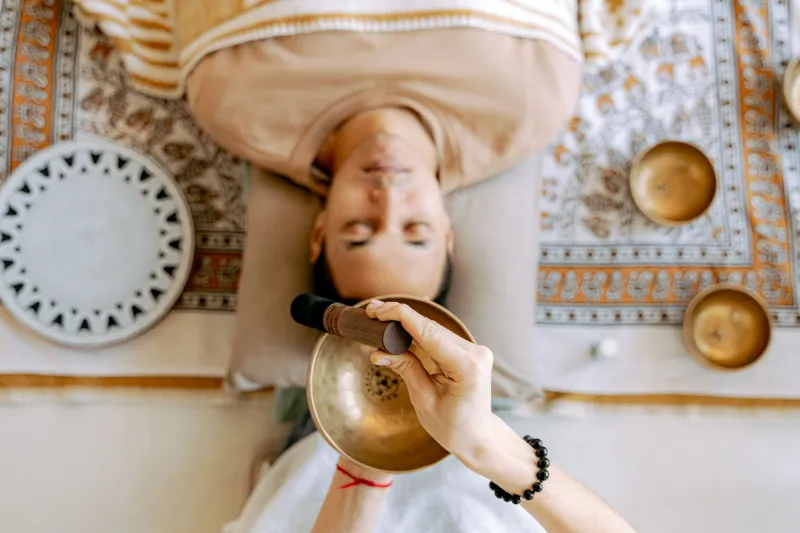
There's a moment about seven minutes into a sound bath when something shifts. The room is dark, you're lying on your mat, and the low resonance of a Tibetan singing bowl seems to pass right through your ribcage. Your thoughts, which were racing approximately forty seconds ago, have gone somewhere else entirely. You're not asleep. You're not exactly awake. You're just — in it.
That feeling has a name, and increasingly, it has a scientific explanation too.
Sound healing is having a serious cultural moment. What was once tucked into the back rooms of yoga studios and dismissed as new-age theater has migrated into hospital wellness programs, corporate retreat agendas, and curated Spotify playlists designed to help you focus, sleep, or decompress after a brutal week. The question is no longer whether it works — the research is starting to answer that pretty definitively — but rather why it works, and how we can use it more intentionally.
Vibration Is Not a Metaphor
Here's the thing about sound: it's not just something you hear. It's something your entire body experiences. Sound travels as a wave of pressure through air, and when that wave hits you, your cells, tissues, and organs literally vibrate in response. That's physics, not poetry.
Researchers studying the effects of low-frequency sound have found measurable changes in brainwave activity during exposure to certain tones. A 2020 study published in Frontiers in Human Neuroscience found that participants who completed a single sound meditation session reported significantly lower tension, anger, and fatigue than control groups. The mechanism? Certain frequencies appear to guide the brain into theta wave states — the same slow, dreamy brainwave pattern associated with deep meditation, creative insight, and the edge of sleep.
Binaural beats take this a step further. When you play a tone of, say, 200 Hz in one ear and 210 Hz in the other, your brain perceives a third tone — the difference between them — and begins to synchronize to that frequency. Different frequency ranges are associated with different mental states: delta for deep rest, theta for creativity and meditation, alpha for relaxed alertness, beta for focused work. It sounds almost too neat, but the growing body of research supports the basic premise.
"The brain is incredibly responsive to auditory input," says sound therapist and meditation instructor Naomi Tran, who leads weekly sound baths at a wellness studio in Austin, Texas. "We're not doing anything magical. We're just giving the nervous system a really specific kind of invitation to let go."
From Ancient Ritual to Modern Studio
Sound as medicine isn't new. Tibetan monks have used metal singing bowls in meditative practice for centuries. Indigenous cultures across North America, Australia, and South Asia have long used drumming, chanting, and vocal toning as tools for healing and spiritual connection. Greek physician Pythagoras — yes, that Pythagoras — reportedly used music to treat anxiety and insomnia. The modern wellness world didn't invent this. It rediscovered it.
What's different now is context and access. You don't need to travel to a monastery or find a specialized healer to experience the benefits of sound therapy. Apps like Insight Timer and Brain.fm offer curated sound healing tracks. Studios across the country are building dedicated sound bath programs. And a new generation of musicians and healers are blending the ancient with the contemporary, layering crystal bowls with ambient electronics, or weaving guided meditation into live instrumental performances.
Jordan Castillo, a sound artist based in Los Angeles who performs under the name Sol Current, describes his work as sitting at the intersection of concert and ceremony. "People come in carrying a lot," he says. "By the end of an hour, the room feels completely different. There's a tenderness in it. Sound gives people permission to soften."
Sound and the Creative Brain
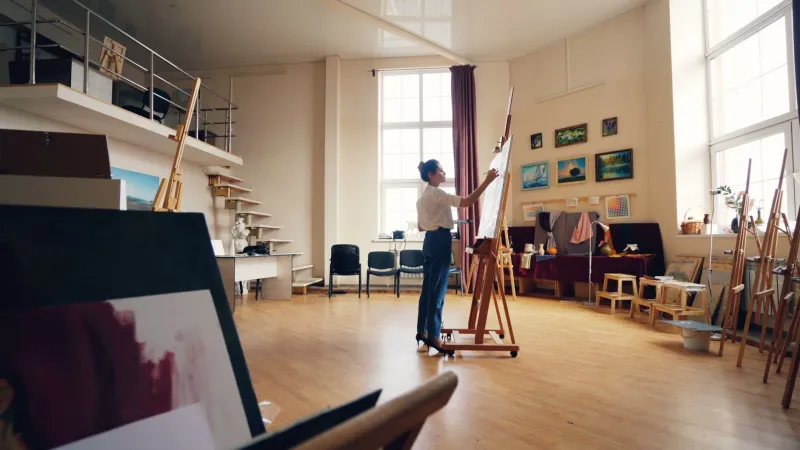
For artists, writers, and makers of all kinds, the connection between sound healing and creative flow is particularly compelling. The theta brainwave state that sound baths appear to induce is also the state where associative thinking flourishes — where unexpected connections get made, where ideas surface from somewhere below conscious reasoning.
Many creatives are starting to treat sound sessions as a form of preparation rather than simply relaxation. Spending twenty minutes with binaural beats or a singing bowl recording before sitting down to write, paint, or design can essentially warm up the creative brain the same way stretching warms up the body.
"I started doing a short sound meditation before my studio sessions and the difference in how quickly I drop into the work is genuinely surprising," says illustrator and yoga practitioner Simone Delacroix, based in Denver. "It's like it clears the static."
Building Your Own Sound Practice
You don't need a crystal bowl collection or a dedicated studio to start exploring sound healing. Here are a few entry points worth trying:
Start with a sound bath. Look for studios or wellness centers in your area offering sound bath events — many run them on weekend evenings and they're typically accessible to complete beginners. Bring a yoga mat, a blanket, and absolutely no agenda.
Experiment with binaural beats. Headphones are essential for binaural beats to work properly (each ear needs to receive a different frequency). Try a theta-wave track the next time you sit down for creative work or meditation and notice whether your mental state shifts.
Explore humming. This sounds almost too simple, but humming activates the vagus nerve — a key player in your parasympathetic nervous system — and can produce a measurable calming effect within minutes. It's free, it's portable, and it works.
Use music intentionally. Pay attention to how different types of music affect your energy and focus. Curate playlists with awareness rather than just reaching for whatever algorithm hands you.
Sound is one of the most immediate and accessible wellness tools we have, and the fact that it's ancient doesn't make it any less relevant. If anything, it's a reminder that the body has always known what it needs — sometimes we just need the right frequency to remember how to listen.