The Door Is the Hardest Pose: A Nervous Beginner's Field Guide to Studio Life

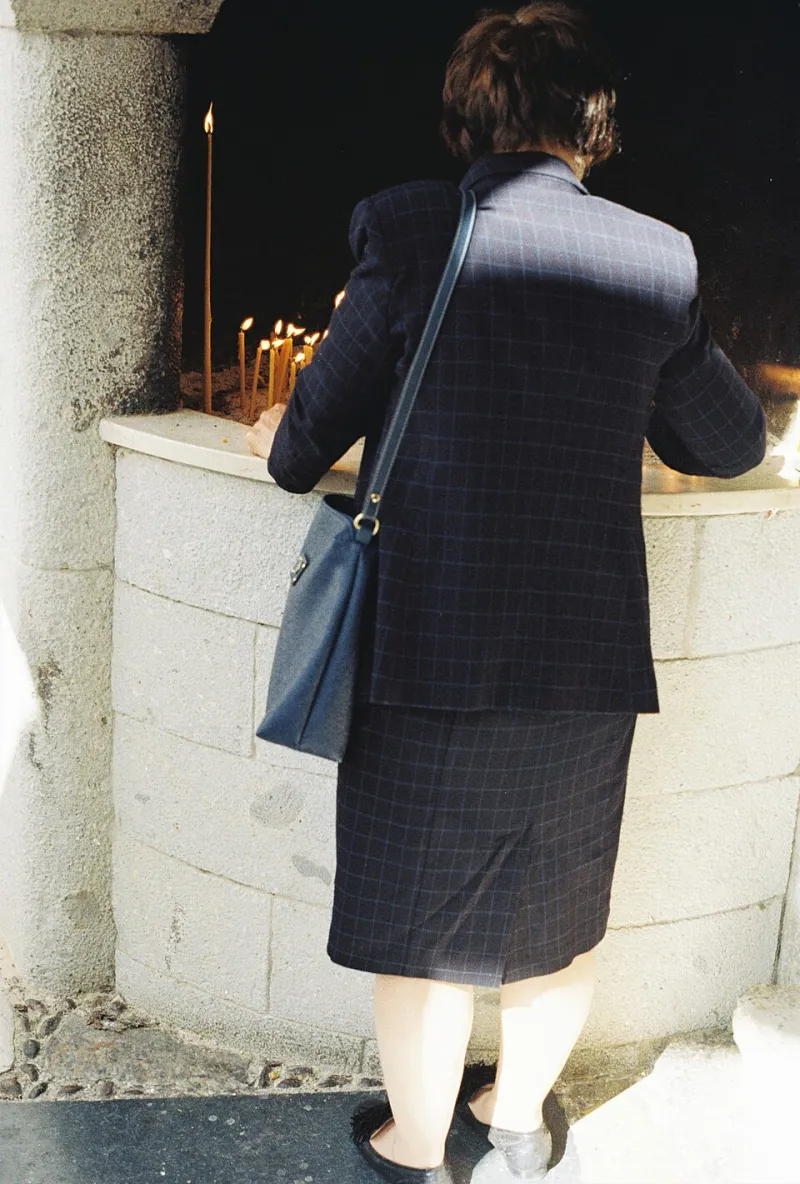
Photo by Photo by Vitaly Gariev on Unsplash on Unsplash
There's a particular kind of paralysis that happens in a parking lot.
You've got the mat. You've got the confirmation email. You've maybe even got the little towel. And then you sit in a car you already turned off, watching people in very good leggings disappear through a door you've quietly decided is not for you.
This isn't a discipline problem. It's a nervous system problem. Your body has scanned an unfamiliar room, clocked a dozen strangers, and decided that the safest possible outcome is the one where you drive to Trader Joe's instead.
So let's not talk about courage. Let's talk logistics. Courage is easier to borrow when you know where to put your shoes.
Name the Flavor Before You Fix It
Studio anxiety isn't one thing. It's usually one of five, and each has a different remedy:
- Skill fear. You'll be the worst one in the room.
- Visibility fear. Someone will watch you wobble.
- Touch fear. A teacher might come adjust you without asking.
- Social fear. Small talk in a lobby with no chairs.
- Body fear. Your knee, your back, your shoulder will not cooperate.
Naming yours cuts the problem down to size. Skill fear gets solved by a beginner series. Touch fear gets solved by one sentence at the front desk. Body fear gets solved by props and permission to modify. Vague dread gets solved by nothing, which is why it's the most expensive version.
Call the Studio Before You Book
Yes, actually call. A thirty-second conversation with a human removes roughly eighty percent of the unknowns.
Ask:
- Is this class genuinely beginner-friendly, or is all levels code for we assume you know the sequence?
- How many people show up on a typical Tuesday at 6?
- Do teachers offer hands-on adjustments, and can I decline them in advance?
- Is it okay to set up near the wall?
- What happens if I'm two minutes late?
- Do you have mats, or should I bring one?
- Is there a new-student rate, and does booking direct beat the class-pass apps?
That last one matters more than people admit. A drop-in at a boutique studio can run $25 to $30 in most US cities; an intro week is often less than a single class. You are allowed to shop like a person who intends to come back.
Where to Land
Back row. Near the door. Beside a wall if the room has one.
None of this is a lack of ambition. It's good design. The back row lets you watch, and watching is how humans learn movement. The wall gives you something to lean on during balance work and something to touch if the room starts to feel enormous. The door is your known exit, and knowing where the exit is genuinely lowers heart rate.
In a pottery or painting class, the equivalent is the end of the table closest to the sink. In a meditation sit, it's a back cushion on the aisle. Pick the seat a polite ghost would choose.
Pack Lighter Than You Think
- A water bottle you can open quietly.
- A small towel, because studio mats are honest about their history.
- A layer you can shed, since rooms swing between arctic and sauna.
- A hair tie, even if you think you don't need one.
- Nothing else. The phone stays in the car or the cubby.
For an art class, bring almost nothing. Most studios supply materials, and hauling your own acrylics to a first session is a very elaborate way to feel like an outsider.
Decide Your Exit Before You Need It
Here is the thing nobody says out loud: leaving early is allowed. It is not a character flaw and no one will write it down.
Tell the teacher before class begins — I'm going to duck out a few minutes early, nothing personal — and the entire situation changes. Now you're not fleeing. You're on a schedule.
A few other legitimate exits:
- The water break. Standing up, walking out, drinking, coming back. Nobody is scoring attendance.
- The long child's pose. You can spend most of a class folded on the floor. This is a real option and teachers see it constantly.
- Skipping savasana. If lying still with your eyes closed is the part that spikes your heart rate, leave before it and do your own quiet minute in the car.
The Five-Minute Rule
Commit to five minutes. Not sixty. Not the whole class. Five.
At minute five, check in and re-decide. Most of the time you'll stay, because the scariest part of any unfamiliar room is the first ninety seconds of being in it while everyone else is already mid-breath. And if you don't stay, you still did the hard part, which was the door.
Belonging Comes First, Comfort Follows
Every regular in that room was once a person standing in a hallway reading a schedule taped to a wall. They didn't feel like they belonged and then show up. They showed up, repeatedly, while not feeling like they belonged, and the feeling caught up months later.
So don't wait for readiness. Book the beginner slot. Bring the small towel. Pick the back corner by the wall. And when the teacher asks if anyone is new, raise your hand — it's the fastest way to get the modifications you actually need.
The door is the hardest pose in the building. Everything after it is just breathing in a room with other people doing the same.