Your Home, Your Sanctuary: A Room-by-Room Guide to Living With More Intention
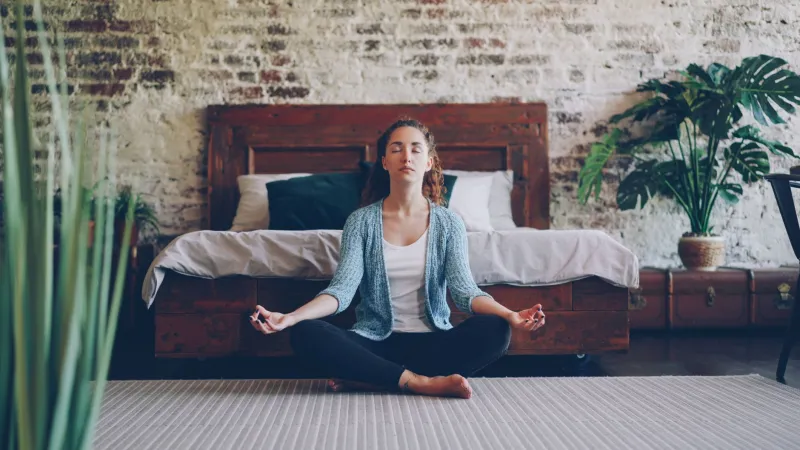
We spend an enormous amount of time in our homes. We sleep there, work there, practice there, create there, and recover there. Yet most of us design our spaces almost entirely around function and aesthetics — rarely around how we actually want to feel.
What would it look like to build a home that actively supports your yoga practice? That makes sitting down to meditate feel natural rather than like a chore? That sparks creative energy instead of draining it?
This isn't about buying more stuff. In fact, it's mostly about the opposite. Here's how to start designing your space with intention — and why it matters more than you might think.
Why Your Environment Is Part of Your Practice
Environmental psychology — the study of how physical spaces affect human behavior and wellbeing — has established something that yogis and artists have intuitively known for centuries: your surroundings shape your inner state. Clutter elevates cortisol. Natural light improves mood and cognitive function. Sound quality affects focus and emotional regulation. Color influences energy levels.
This means your home isn't a neutral backdrop to your life — it's an active participant in it. When you align your physical environment with your values and intentions, you lower the friction between who you are and how you live. That's not interior design. That's a wellness practice.
1. Light as a Foundation, Not an Afterthought
Light is the single most impactful element in any space, and it's often the most neglected.
Maximize natural light first. Pull back heavy curtains. Replace dark window treatments with sheer linen panels that diffuse rather than block sunlight. If you're renting and can't change much structurally, strategically placing mirrors opposite windows can nearly double the perceived brightness of a room.
Layer your artificial lighting. Overhead lighting alone is harsh and flat — it flattens the space and the mood. Invest in floor lamps, table lamps, and warm Edison-style bulbs (2700K color temperature or lower) to create pools of soft light that feel inviting rather than institutional. For your practice space specifically, dimmable lighting is worth every penny — it lets you transition from an energizing morning flow to a restorative evening session without rearranging anything.
Budget-friendly tip: Warm-toned LED bulbs and a single good floor lamp can completely transform the feel of a room for under $60.
2. Carving Out Your Practice Space — Even in a Small Apartment
You don't need a dedicated room to have a dedicated practice. What you need is a designated corner — a spot that your nervous system comes to associate with movement, stillness, or creative work.
Choose your corner intentionally. Look for a spot with access to natural light, away from high-traffic areas, and ideally with a wall nearby (useful for supported poses and also psychologically grounding). East-facing corners are ideal for morning practice — you'll catch the sunrise.
Keep it clear. The biggest mistake people make is using their practice area as overflow storage when they're not actively using it. Even a rolled-up yoga mat shoved behind a couch sends a subconscious signal that your practice is an afterthought. Keep the space clear and ready. Readiness breeds consistency.
Anchor the space with one meaningful object. A small plant, a candle, a piece of art, a singing bowl — one intentional object that signals to your brain: this is a different kind of space. This is where I show up for myself. You're not decorating; you're creating a cue.
Budget-friendly tip: A good non-slip yoga mat, a meditation cushion (zafu), and a small wooden tray for a candle and plant can create a fully functional practice corner for around $80–$120 total.
3. Sound: The Invisible Architecture of Your Space
Most people think about what their space looks like. Fewer think about what it sounds like — and that's a significant missed opportunity.
Hard surfaces create echo and mental noise. Hardwood floors and bare walls are beautiful, but they bounce sound in ways that can feel subtly stressful over time. Add a large area rug to your practice space — it absorbs sound, defines the area, and provides cushioning. Bookshelves, curtains, and upholstered furniture all help dampen acoustics naturally.
Curate your sonic environment. Invest in a small Bluetooth speaker with good sound quality for your practice space. Create playlists intentionally — one for energizing morning flows, one for focused creative work, one for winding down. Sound shapes state, and having the right soundtrack ready removes one more barrier between you and your practice.
Consider silence as a design element. In a culture of constant audio stimulation, the ability to have genuine quiet in your home is a luxury worth protecting. If you live in a noisy urban environment (hello, NYC, Chicago, LA), a white noise machine or a simple fan can create a consistent sound floor that buffers outside noise without adding stimulation.
4. Color, Texture, and the Psychology of Calm
Color psychology isn't pseudoscience — it's a well-documented field with real implications for how we feel in our spaces.
For practice and meditation areas: Lean toward soft, muted earth tones — warm whites, sage greens, terracotta, dusty blues. These palettes are associated with calm, groundedness, and natural environments. They don't compete for your attention.
For creative workspaces: A slightly warmer or more saturated accent color can be energizing without being chaotic. Deep ochre, rust, or a warm burnt orange (think: the color of late afternoon sun) can spark creative energy without tipping into anxiety-producing overstimulation.
Texture matters as much as color. Natural materials — linen, cotton, jute, wood, stone — engage the senses in a grounding way. They connect us to the natural world even when we're indoors. Synthetic materials and high-gloss surfaces tend to feel cold and stimulating in a less intentional way.
Budget-friendly tip: You don't need to repaint. A linen throw blanket, a jute rug, and a few plants can shift the textural and color story of a space significantly without touching the walls.
5. Declutter as a Spiritual Practice
This isn't about minimalism as an aesthetic trend. It's about recognizing that every object in your space carries a subtle energetic weight — and that weight accumulates.
Walk through your home and ask, honestly: does this object serve my life as it is now, or as it was? Does it bring me genuine joy or a low-grade sense of guilt? Objects we keep out of obligation — the exercise equipment we don't use, the art we inherited but don't love, the books we feel we should have read — all of it creates a kind of visual and energetic noise.
Start small. Clear one surface completely. Notice how it feels to have that open space. Then let that feeling guide you.
6. Bring the Outside In — Literally
Plants aren't just pretty. They improve air quality, increase humidity in dry climates, and have been shown to reduce stress and improve concentration. They also serve as a daily reminder that living things require care and attention — a beautiful metaphor for any wellness practice.
If you don't have a green thumb, start with low-maintenance options: pothos, snake plants, ZZ plants, and peace lilies are nearly indestructible and thrive in a variety of light conditions. A small herb garden on a kitchen windowsill adds both greenery and the sensory pleasure of fresh scent.
The Bigger Picture
At Elevated Sol Studios, we believe that how you design your space is how you design your life. The intention you bring to your home environment is the same muscle you're building every time you step onto your mat or sit down to create.
You don't need perfection. You need presence — in your practice and in the spaces that hold it. Start with one corner, one lamp, one intentional object. Let your home become a reflection of the life you're actively building.
Rise into your space. Live beautifully.