Four Walls and a Notebook: Building a Practice That Travels Light

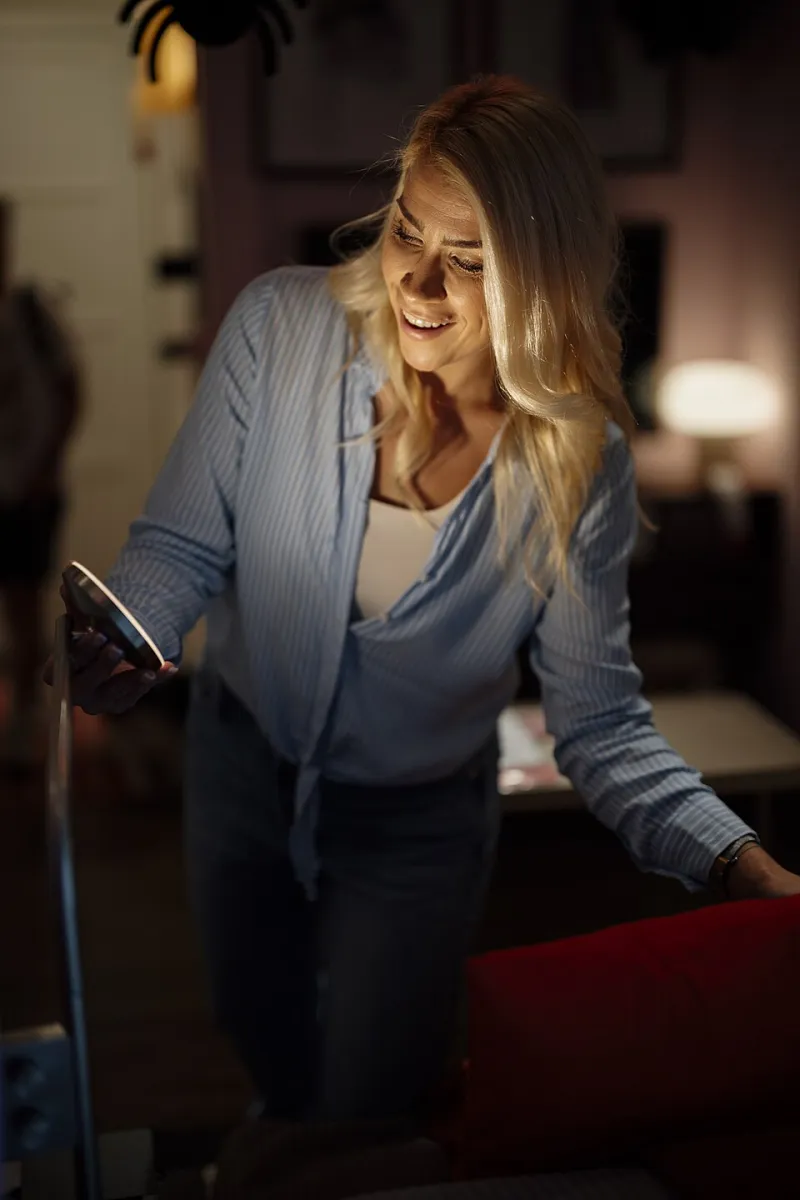
Photo by Photo by Lilishia Gounder on Unsplash on Unsplash
The hotel room at 6:12 a.m. is one of the most honest places in America. The carpet has a pattern designed to hide nothing. There's a lamp bolted to the nightstand and a chair in the corner that has never been sat in. Somewhere down the hall, an ice machine clears its throat.
Most of us treat this room as a pause in real life. Practice happens at home, in the living room with the good light, and the road is just an interruption. Which is fine — until you notice that a work trip every six weeks means you're pausing your practice roughly seven times a year, and the restart cost each time is higher than the practice itself.
So here's a different frame: your practice isn't a place. It's a format. And formats pack small.
Define Your Minimum Viable Practice
Before you pack anything, decide what counts. Not the ideal version — the version that survives a delayed flight and a dinner that runs to 9:45.
Three ingredients, fifteen minutes: move, breathe, make. Movement keeps the body from stiffening into a seated animal. Breath gives the nervous system a reset it can't get from a hotel minibar. Making — even six lines of writing — keeps the creative thread from snapping, which is what actually hurts when you get home.
If you bat ten percent on the full fifteen minutes, you're still well ahead of the person waiting for the perfect trip to restart.
The Carry-On Kit
Everything here fits in a zip pouch the size of a paperback:
- A packable towel or a resistance band. Either covers floor work on carpet you'd rather not investigate.
- One tennis ball. Rolls under a hip, a shoulder blade, an arch. Best weight-to-relief ratio in travel.
- A notebook and a pen you like. Not the free one from the conference tote. The one that makes you want to open it.
- Earbuds. For brown noise, a five-minute timer, or a single song you use as a cue.
Optional, if you're a maker: a small tin of air-dry clay, a travel watercolor set with six pans, or a pencil case of two pencils and a blending stump. Pick one. The point is consistency, not portability as a hobby.
What to leave home: the mat that weighs four pounds, the block, the strap, the entire roll of watercolor paper. Travel is a great excuse to practice with less.
The Fifteen-Minute Room Sequence
Do this barefoot on the towel, beside the bed, with the desk chair pushed to the wall.
0:00–2:00 — Land. Stand with your feet hip-width. Take three exhales that are longer than the inhales. Then name five things you can see, out loud or not. You're telling your body where it is, which is more useful than telling it to relax.
2:00–6:00 — Move. Standing cat-cow with hands on thighs. A slow forward fold with bent knees. Seated twist on the edge of the bed, both directions. Ten calf raises. Half downward dog with your hands on the desk or dresser. Neck rolls, jaw unclenched. Nothing here needs a mat or a mirror.
6:00–10:00 — Breathe. Sit on the bed's edge, feet flat, palms on your ribs. Four counts in, six out, for eight rounds. If your mind is a spreadsheet, that's normal and not a failure — count anyway.
10:00–14:00 — Make. One prompt, one page, no editing. Ideas that travel well: draw the room using only three shapes. Write five lines about what you can hear. Sketch the view from the window without lifting your pen. Copy one object on the desk at a scale that doesn't fit the page.
14:00–15:00 — Close. One sentence in the notebook: date, city, and a single observation. That's the whole ritual. It takes less time than the hotel breakfast queue.
Making a Stranger's Room Yours
A rented room is designed to be anonymous, and your nervous system reads anonymity as unfamiliarity, which reads as mild threat. You can interrupt that in about ninety seconds.
- Kill the overhead. Hotel ceiling lights are fluorescent and unforgiving. Use the desk lamp, the bedside lamp, or your phone flashlight pointed at a wall.
- Change the sound. The hallway is loud; the HVAC is louder. Brown noise or a single album you've listened to a hundred times works better than silence you can't actually get.
- Add one smell. A tea bag left open on the nightstand, hand cream, a candle you didn't light. Scent is the fastest route to this is mine.
- Move one piece of furniture. Turn the desk chair to face the window. Push the ottoman into the corner. Rearranging a room is a small, real act of ownership.
- Bring one object from home. A stone, a card, a scarf draped over the lamp shade. Ridiculous, effective.
Watch the All-or-Nothing Trap
The road runs on extremes — red-eyes, chain restaurant dinners, a 7 a.m. wake-up after a midnight landing. Which is precisely when the perfectionist logic kicks in: I don't have time for the full thing, so I'll skip it.
Ten minutes counts. Two minutes of breathing on the airport floor by a charging station counts. On a genuine travel day, let the practice shrink to a single ingredient and call it complete, because it is.
Coming Home Without the Crash
The real test isn't the hotel room — it's the Tuesday after you get back, when the living room is available again and the whole ritual gets quietly demoted to someday.
So keep the traveling version as your floor, not your fallback. Fifteen minutes, three ingredients, one page. It worked in a stranger's room with an ice machine down the hall. It will absolutely work in your own house, with better light.